

Everest Base Camp Trek in Winter
2nd Jun, 2026
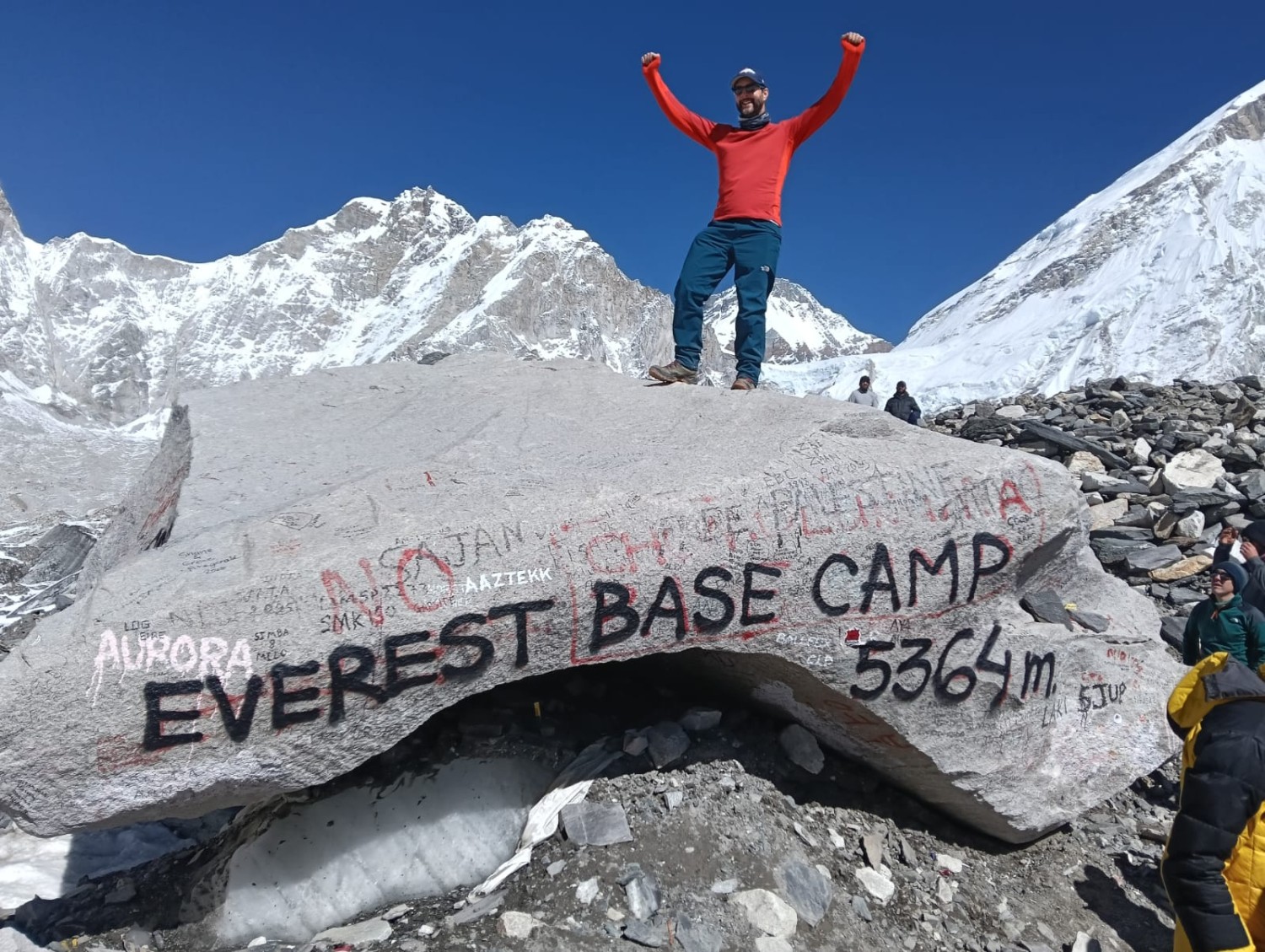
The Everest Base Camp Trek in Winter is an excellent choice for trekkers seeking a peaceful and solitary adventure in the Himalayas. Unlike the busy trekking seasons of spring and autumn, winter brings fewer crowds, allowing visitors to enjoy a more tranquil and authentic trekking experience.
Table of Contents
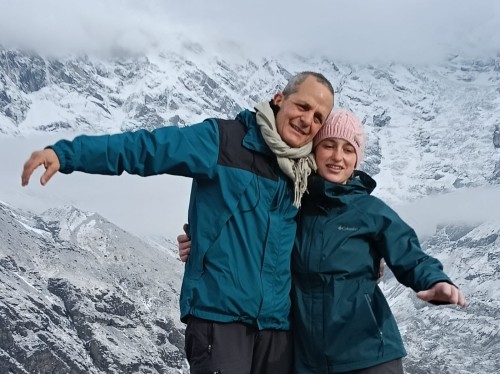
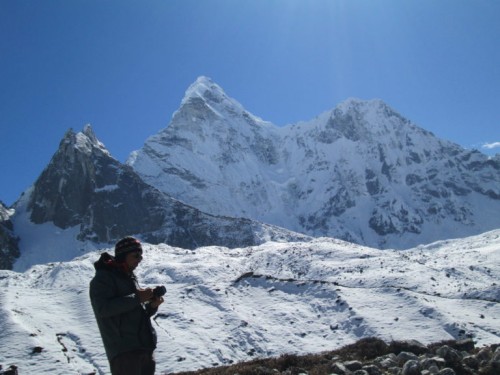
During the winter months, the Everest region transforms into a stunning wonderland of snow-covered peaks, frozen landscapes, and crystal-clear skies. The breathtaking scenery offers some of the most spectacular mountain views in the Himalayas, with magnificent vistas of Mount Everest and other towering peaks. Trekkers can also enjoy a peaceful journey through traditional Sherpa villages, ancient monasteries, and pristine alpine forests.
Winter often provides excellent visibility, making it one of the best seasons for photography and mountain viewing. In addition, trekking during winter can be more cost-effective compared to peak trekking seasons. With proper gear, careful acclimatization, and professional guidance, the trek offers an extraordinary combination of natural beauty, cultural immersion, and Himalayan adventure.
Whether you are seeking solitude, dramatic snowy landscapes, or a unique perspective of the world's highest mountain, the Everest Base Camp Trek in Winter promises a truly remarkable trekking experience in the heart of the Nepalese Himalayas.
Everest Base Camp Trek in Winter: Weather and Temperature Conditions
The weather during the Everest Base Camp Trek in winter (December to February) is cold but generally stable. Winter often brings dry weather and crystal-clear skies, providing breathtaking views of Mount Everest and the surrounding Himalayan peaks. Snowfall is possible, particularly at higher elevations, but heavy snowstorms are relatively uncommon. These favorable conditions make winter one of the best times for photography and mountain viewing. It is also an excellent season for trekkers who prefer peaceful trails, fewer crowds, and outstanding visibility.
Daytime temperatures at lower elevations, such as Lukla and Namche Bazaar, typically range from 5°C to 12°C (41°F to 54°F). However, temperatures drop significantly as you gain altitude. At Everest Base Camp and Kala Patthar, daytime temperatures can range from -5°C to -15°C (23°F to 5°F), while nighttime temperatures may fall below -20°C (-4°F).
Trekkers should be well-prepared with proper winter clothing, insulated sleeping bags, and suitable trekking equipment to stay warm and comfortable throughout the journey. With adequate preparation, proper acclimatization, and professional guidance, the Everest Base Camp Trek in winter offers a rewarding adventure amid some of the most stunning winter landscapes in the Himalayas. Trekkers can successfully complete the trek safely while enjoying a unique and unforgettable Himalayan experience.
Everest Base Camp Trek in Winter: Challenges
The Everest Base Camp Trek in winter presents several challenges, primarily due to extremely cold temperatures that can drop well below freezing, especially at higher elevations and during the night. Snowfall and icy trails can make trekking more difficult, requiring extra caution and proper winter gear. Shorter daylight hours also mean trekkers must start early and manage their time carefully.
High altitude remains a major challenge throughout the trek. As trekkers gain elevation, the risk of altitude sickness increases, making proper acclimatization essential. The cold weather can also make breathing more difficult and contribute to greater physical fatigue.
Despite these challenges, winter offers unique rewards, including fewer crowds, peaceful trails, and crystal-clear mountain views. With proper preparation, suitable equipment, good physical fitness, and experienced guidance, the Everest Base Camp Trek can be completed safely while providing an unforgettable Himalayan adventure.
Everest Base Camp Trek in Winter Packing List
Packing the right gear is essential for a safe and comfortable Everest Base Camp Trek during winter. Temperatures can drop well below freezing, and snowfall is common, especially at higher elevations. Therefore, proper layering and cold-weather equipment are crucial.
Your clothing should include thermal base layers, an insulating mid-layer, a warm down jacket, and a waterproof and windproof outer shell. Other essential items include insulated trekking pants, warm gloves, a winter hat, a neck gaiter, thick wool socks, slippers for teahouse stays, and sturdy waterproof trekking boots with good traction for snowy and icy trails.
Additional gear should include a high-quality sleeping bag rated for sub-zero temperatures, trekking poles, sunglasses, sunscreen, a headlamp with extra batteries, a reusable water bottle, a power bank or small solar panel, and personal medications. With the right packing list and proper preparation, you can stay warm, comfortable, and well-equipped throughout your Everest Base Camp winter adventure.
Everest Base Camp Trek in Winter Itinerary
Day 01: Arrival in Kathmandu (1,350 m) and transfer to the hotel.
Day 02: Flight to Lukla (2,800 m) (30-minute flight) and trek to Phakding (2,610 m) – 3 to 4 hours walk.
Day 03: Trek from Phakding to Namche Bazaar (3,440 m) – 6 to 7 hours walk.
Day 04: Acclimatization and rest day at Namche Bazaar (3,440 m).
Day 05: Trek to Tengboche (3,860 m) – 5 to 6 hours walk.
Day 06: Trek to Dingboche (4,410 m) – approximately 6 hours walk.
Day 07: Acclimatization and rest day at Dingboche (4,410 m).
Day 08: Trek to Lobuche (4,940 m) – 6 to 7 hours walk.
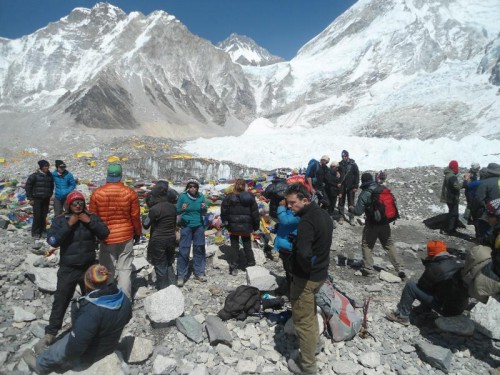
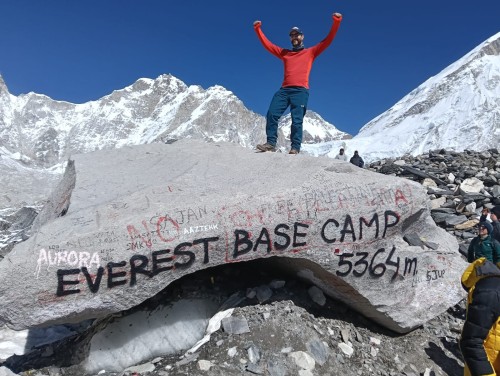
Day 09: Trek to Gorak Shep (5,180 m) and hike to Everest Base Camp (5,363 m) – 7 to 8 hours walk.
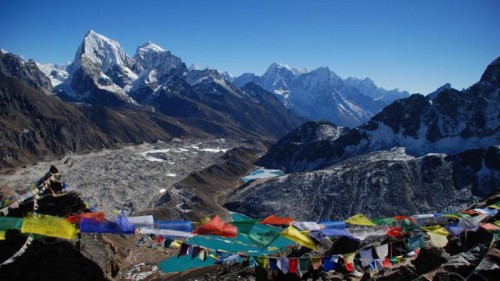
Day 10: Early morning hike to Kala Patthar (5,545 m) for sunrise views of the Himalayan peaks, then trek to Pheriche (4,250 m) – approximately 8 hours walk.
Day 11: Trek to Namche Bazaar (3,440 m) – approximately 8 hours walk.
Day 12: Trek to Lukla (2,800 m) – 7 to 8 hours walk.
Day 13: Fly back to Kathmandu and transfer to the hotel.
Day 14: Final departure for your onward journey home.
Everest Base Camp Trek in Winter Cost
The cost of the Everest Base Camp Trek in winter is lower than in the peak trekking seasons, such as spring (March to May) and autumn (September to November). The Everest Base Camp Trek in winter costs USD 1,250 per person for our 14-day itinerary (Kathmandu to Kathmandu, including arrival and departure). This package requires a minimum of two people or participation in a group.
This cost includes major logistics such as transportation (Kathmandu–Lukla–Kathmandu flights), accommodation, meals, guide and porter services, required permits, as well as hotel stays in Kathmandu and during the trek. However, the total cost may vary depending on several factors, including trek duration, level of comfort preferred, whether you hire a guide and/or porter, and your choice of transportation and hotel category in Kathmandu.
We always provide affordable, transparent pricing and the best service to all trekkers who wish to experience the Everest Base Camp Trek in winter. Our goal is to ensure value for money and a hassle-free trekking experience.
Everest Base Camp Trek in Winter – Group Join
The Everest Base Camp Group Join Trek in winter is an excellent option for solo trekkers. While many local trekking agencies do not offer group departures during the winter season due to lower demand, we provide multiple fixed departure dates specifically designed for individual travelers who wish to join a group at an affordable cost.
Because of the remote location of the Everest region, trekking alone can be expensive. The Everest Base Camp Group Join Trek allows solo travelers to share the costs of accommodation, guide and porter services, and other logistics, making the trek much more budget-friendly. It also provides the safety and support of traveling with an organized group.
Joining a group trek gives trekkers the opportunity to experience one of Nepal’s most scenic and culturally rich adventures while meeting like-minded people from around the world. With shared costs, cultural exchange, new friendships, and unforgettable Himalayan views, the Everest Base Camp Group Join Trek in winter offers a rewarding, affordable, and memorable trekking experience.
Everest Base Camp Trek in Winter: Food and Accommodation
During the Everest Base Camp Trek in winter, food and accommodation are more limited due to the lower number of trekkers. However, teahouses and lodges along the trekking route remain well-managed, and there are still plenty of accommodation options available. Therefore, trekkers generally do not face significant difficulty in finding suitable places to stay along the Everest Base Camp route. Most teahouses offer good-quality basic services.
Typically, lodges provide private rooms with twin beds, clean bedding, and blankets, while bathrooms are usually shared. In some locations, attached bathrooms may be available, but shared facilities are more common. We highly recommend that trekkers carry a sleeping bag for extra warmth and comfort, especially at higher altitudes.
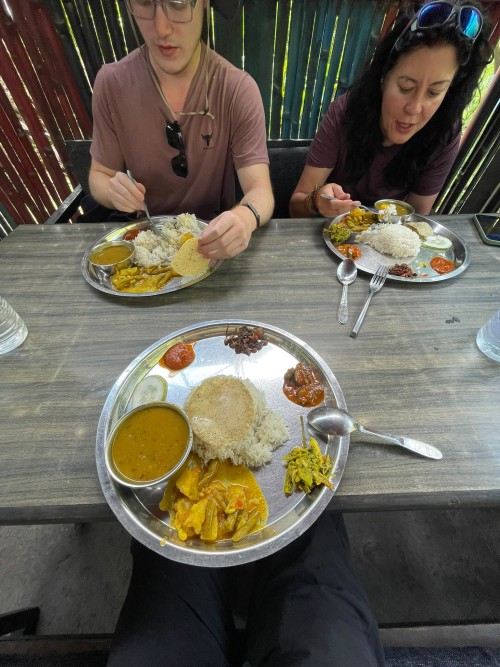
Regarding food, every teahouse and lodge offers a menu with similar items along the EBC trail, including a variety of local and international dishes. The cooks are generally skilled, although the taste may differ from Western cuisine. Since meat availability is limited and often not fresh in the mountains, we recommend choosing vegetarian meals for safety and better digestion.
FAQs About Everest Base Camp Trek in Winter
Why Choose the Everest Base Camp Trek in Winter?
Choosing the Everest Base Camp Trek in winter is an excellent decision for trekkers seeking a unique Himalayan adventure. Winter offers clear skies and stunning mountain views, providing exceptional visibility of Mt. Everest, Ama Dablam, Lhotse, Nuptse, and many other surrounding Himalayan peaks.
Another major advantage of trekking in winter is the significantly lower number of visitors compared to the busy spring and autumn seasons. With fewer crowds on the trails and in teahouses, trekkers can enjoy a more peaceful, relaxing, and authentic trekking experience.
Winter also brings breathtaking snowy landscapes to the Everest region. The trail transforms into a winter wonderland featuring frozen waterfalls, snow-covered forests, and pristine white mountain scenery. These spectacular conditions make winter an ideal season for photographers, nature lovers, and those seeking solitude in the heart of the Himalayas.
Is It Possible to Do the Everest Base Camp Trek in Winter?
Yes, it is possible to do the Everest Base Camp Trek during winter (December to February). Although temperatures can be extremely cold, the season often offers excellent visibility and spectacular mountain views. With proper winter trekking clothing, a well-planned itinerary, and the support of an experienced guide, the trek can be completed safely and comfortably.
The trails remain open throughout the winter season, and most teahouses along the main Everest Base Camp route continue to operate and provide accommodation and meals for trekkers. Therefore, with proper preparation and equipment, the Everest Base Camp Trek in winter is both achievable and rewarding.
How Cold Does It Get During the Everest Base Camp Trek in Winter?
The Everest Base Camp Trek is significantly colder in winter than during the spring and autumn trekking seasons. Temperatures vary depending on altitude. In higher locations such as Lobuche, Gorak Shep, and Everest Base Camp, nighttime temperatures can drop to between -15°C and -20°C (5°F to -4°F), and occasionally even lower during extreme cold spells.
During the daytime, temperatures are usually much more comfortable and are often above freezing when the weather is clear and sunny. In lower-altitude villages such as Lukla, Phakding, and Namche Bazaar, daytime temperatures are generally pleasant for trekking, while nighttime temperatures are cold but typically remain above freezing.
With proper winter clothing and layering, trekkers can comfortably manage the cold conditions and enjoy the clear skies and spectacular mountain views that winter offers.
Is Winter a Good Time to Trek to Everest Base Camp?
Yes, winter is a great time to trek to Everest Base Camp. The season offers clear skies, spectacular mountain views, peaceful trails, and significantly fewer crowds compared to the busy spring and autumn trekking seasons.
Winter is an excellent choice for trekkers who prefer a quieter and more tranquil trekking experience. It is also one of the best seasons for photography, as the crisp air and clear weather provide outstanding visibility of Everest and the surrounding Himalayan peaks.
Are Flights to Lukla Available During Winter for the Everest Base Camp Trek?
Yes, regular flights between Kathmandu and Lukla operate throughout the winter season for trekkers heading to Everest Base Camp. Airlines such as Summit Air, Tara Air, and Sita Air provide scheduled flights during this period.
Winter is generally known for its clear skies and excellent visibility, which often create favorable flying conditions for takeoffs and landings. As a result, flight delays and cancellations are usually less frequent than during the monsoon season. However, weather in the Himalayas can be unpredictable, so occasional delays or cancellations due to adverse weather conditions are still possible.
Overall, winter is considered one of the most reliable seasons for flights to and from Lukla, making it a popular time for trekking in the Everest region.
Do I Need a Guide for the Everest Base Camp Trek in Winter?
Yes, hiring a guide is highly recommended for all trekkers, especially during the winter season. Weather conditions in the Everest region can change quickly, and trekking at high altitudes carries the risk of altitude sickness. An experienced guide can monitor your condition, provide assistance when needed, and help ensure your safety throughout the trek.
A guide also takes care of navigation, accommodation, permits, transportation, and other logistics, allowing you to focus on enjoying the journey. Their local knowledge and experience can greatly enhance your trekking experience and make your adventure safer, smoother, and more enjoyable.
For a comfortable and hassle-free Everest Base Camp Trek in winter, trekking with a professional guide is one of the best decisions you can make.
Is Altitude Sickness a Concern in Winter During the Everest Base Camp Trek?
Yes, altitude sickness is a concern during the Everest Base Camp Trek in winter. The risk of altitude sickness exists throughout the year, but cold temperatures and the high elevations reached during the trek can make the journey more challenging for some trekkers. Individual susceptibility varies, and some people may experience symptoms more than others.
To reduce the risk of altitude sickness, it is essential to follow a proper acclimatization itinerary, stay well-hydrated, ascend gradually, and follow the principle of "climb high, sleep low." Keeping your body warm, eating a balanced diet, and monitoring your oxygen saturation and pulse rate regularly can also help maintain your health at high altitude.
With proper preparation, careful acclimatization, and awareness of altitude-related symptoms, most trekkers can complete the Everest Base Camp Trek in winter safely and enjoyably.
Are Teahouses Open During Winter on the Everest Base Camp Trek?
Yes, most teahouses and restaurants along the main Everest Base Camp Trek route remain open during the winter season. Trekkers can find accommodation and meals at all major villages and overnight stops throughout the trek.
However, some teahouses may offer limited services due to the lower number of visitors during winter. Food menus may be less extensive than during the peak trekking seasons, and facilities can be more basic. In some locations, squat toilets are more commonly used, especially because freezing temperatures can affect water systems and plumbing.
Despite these minor limitations, teahouses continue to provide warm hospitality, comfortable accommodation, and essential services, making the Everest Base Camp Trek fully accessible during winter.
How Difficult Is the Everest Base Camp Trek in Winter?
The Everest Base Camp Trek is considered moderately challenging to difficult in general. However, it becomes more demanding in winter due to cold temperatures, snowfall, and icy trails. Simple daily activities, such as washing your face and hands, can also be difficult because of the extremely cold water.
Overall, winter conditions make the trek more challenging than in other seasons, such as spring and autumn. Despite this, with proper preparation, suitable gear, and good physical fitness, the trek can still be completed successfully.
Can Solo Trekkers Join a Group in Winter for the Everest Base Camp Trek?
Yes, solo trekkers can join a group trek for the Everest Base Camp Trek in winter. However, it is recommended to inform us a couple of months in advance so that we can arrange a suitable group for you. At High Pass Adventure, we offer several fixed group departures during the winter season, allowing solo trekkers to join an organized group at a lower cost while sharing the experience with fellow trekkers.
This option not only helps reduce expenses but also provides companionship, safety, and a more enjoyable trekking experience in the Everest region.
How Much Does the Everest Base Camp Trek in Winter Cost?
The Everest Base Camp Trek in winter costs approximately USD 1,250 per person. This price is based on a minimum of two people or a group departure and includes all logistics during your stay in Nepal and the trekking period.
However, the total cost may vary depending on the itinerary, group size, services included, and the level of accommodation chosen.
Will There Be Snow on the Trail During the Everest Base Camp Trek in Winter?
Yes, there may be snow on the trail during the Everest Base Camp Trek in winter, especially above Dingboche. Some sections can also be icy, particularly at higher elevations and on small streams or exposed paths.
Heavy snowfall can occur occasionally, but it is not common. In rare cases, it may temporarily block parts of the trail near Gorak Shep. However, such conditions are relatively uncommon, and the main Everest Base Camp route usually remains accessible during winter.
Is Travel Insurance Necessary for the Everest Base Camp Trek in Winter?
Yes, comprehensive travel insurance is necessary for the Everest Base Camp Trek in winter. Winter conditions can present additional challenges, including the risk of altitude sickness and other health-related issues.
Travel insurance that covers high-altitude trekking, emergency medical treatment, and helicopter evacuation is strongly recommended, as rescue and treatment costs can be very high without proper coverage.
 Select an element to maximize. Press ESC to cancel.
Are you interested on any of your travel serveices?
Make Inquiry NowRecent From Blog
15th Jun, 2023
21st Feb, 2021
28th Feb, 2018
5th Sep, 2023

13th May, 2019
19th Feb, 2019
8th Feb, 2021
21st Jan, 2021
29th Jul, 2020
3rd May, 2019
30th Apr, 2020

3rd Apr, 2020
17th Jul, 2020
26th Mar, 2020
31st Mar, 2020
19th Jun, 2023
11th Feb, 2020
11th Mar, 2020
27th Sep, 2019
17th May, 2019
26th Jul, 2020
6th May, 2019
5th Mar, 2019
7th Mar, 2020
18th Feb, 2019
12th Sep, 2019

27th Mar, 2018
27th Mar, 2019
2nd Mar, 2019
16th Jan, 2019

1st Jul, 2023
5th Jul, 2023

5th Jul, 2023

5th Jul, 2023

5th Jul, 2023
5th Dec, 2019
6th Jan, 2019
28th Feb, 2018
9th Dec, 2018
11th Dec, 2018

5th Oct, 2023

3rd Jan, 2024
.jpg)
27th Jan, 2024
29th Jan, 2024
19th Jan, 2025

7th Feb, 2025

17th Feb, 2025
9th Mar, 2025

15th Mar, 2025

18th Mar, 2025

23rd Mar, 2025

25th Mar, 2025

26th Mar, 2025

24th Apr, 2025

21st May, 2025

21st May, 2025

22nd Jun, 2025

22nd Jun, 2025
4th Jul, 2025

14th Jul, 2025

14th Sep, 2025
26th Sep, 2025
20th Dec, 2025
28th Jan, 2026
17th May, 2026
18th May, 2026
2nd Jun, 2026
7th Jun, 2026
9th Jun, 2026
13th Jun, 2026
14th Jun, 2026
2nd Jul, 2026
7th Jul, 2026
16th Jul, 2026
25th Jul, 2026

2nd Aug, 2026
5th Aug, 2026
9th Aug, 2026